
Buy Ammo by the Case and Save Big on Bulk Rifle and Pistol Rounds
Ammo by the case is the smartest way to buy ammunition, delivering bulk boxes of rounds directly to your doorstep for serious shooters who refuse to overpay. Each case packs hundreds or thousands of rounds in sturdy, stackable containers, ensuring you never run dry mid-session 7.62x54R Ammo for Sale at the range or in the field. You simply open the sealed case, load your magazines from the individual boxes, and store the rest in a cool, dry place for long-term readiness. Buying by the case cuts your per-round cost dramatically, giving you more trigger time and deeper reserves for the same money.
Why Buying Bulk Ammunition Saves You More Than Just Money
Buying ammo by the case doesn’t just shrink your per-round cost; it collapses the friction between intention and trigger time. Instead of making emergency mid-week runs or paying premium prices at a retail counter, a single case means you have a consistent supply locked in your safe, ready for range sessions, zeroing, or defensive practice without rationing. That consistent volume also lets you build muscle memory faster—you’re not saving rounds, you’re spending them on actual skill. Fewer, larger purchases mean fewer packing slips, fewer shipping fees, and far less wasted fuel. Stocking a case also turns your hobby into a self-sustaining loop: practice more, improve faster, and never let a shortage dictate your training schedule. Q: Does buying a case really change how you shoot? A: Yes—it shifts you from cautious single-box plinking to deliberate, repeatable drills because the ammo is already there.
The Real Cost-Per-Round Breakdown You Haven’t Calculated Yet
Beyond 7mm PRC Ammo for Sale the sticker price, your true cost-per-round includes shipping, transfer fees, and the opportunity cost of multiple trips to the range or store. Buying by the case amortizes that flat-rate shipping across 500–1,000 rounds, slashing per-box logistics. Yet the hidden factor is **volatility hedging via bulk pricing**—locking in a fixed per-round rate insulates you from sporadic price spikes that erode your budget when buying boxes piecemeal. Also, consider the value of your time: each individual purchase carries a mental transaction cost. Case purchases reduce these repeated micro-decisions, lowering your effective expenditure.
Q: What is the most overlooked element in The Real Cost-Per-Round Breakdown You Haven’t Calculated Yet?
A: The compounding effect of per-order fees—when you buy ten boxes separately, you pay ten shipping charges, but one case purchase often triggers free-shipping thresholds, making your actual cost-per-round drop by 8–12% before you even fire a shot.
How Bulk Purchases Reduce Per-Box Shipping and Handling Fees
When you buy ammo by the case, the carrier charges per parcel, not per round. A single case containing 500 rounds ships as one box, whereas five 100-round boxes would incur five separate dimensional-weight charges. Consolidated freight per case directly slashes the per-box handling fee because you pay one pickup, one sorting scan, and one delivery stop instead of five. Moreover, the packaging density of a sealed case reduces void space, lowering volumetric weight. However, the savings vanish if the case exceeds 7.62×39 Ammo for Sale a carrier’s dimensional threshold, so compare cubic size against ground rates before checkout.
- One flat handling fee per case replaces per-box surcharges.
- Fewer individual labels and tracking events cut processing costs.
- Palletized case orders may qualify for reduced bulk freight rates.
- Avoiding split-shipment minimums eliminates per-package accessorial charges.
What to Check Before You Commit to a Full Case Order
Before you commit to a full case order, verify lot number consistency—a single case should share one lot for uniform ballistics, so ask your supplier to confirm. Check the primer pocket crimp and case headstamp on a sample, as mixed headstamps indicate recycled or inconsistent brass that can harm reloading or feeding. Also, scrutinize the packaging date and storage conditions; old stock with green corrosion or loose primers is a red flag. Calculate per-round savings against your actual monthly volume—buying 1,000 rounds saves pennies only if you shoot them within a year. Finally, confirm the bullet’s cannelure and OAL match your firearm’s magazine.
A full case locks in your cost, but a wrong spec locks in your frustration.
Always request a single sample round from that exact case before paying.
Headstamp, Lot Numbers, and Consistency Across 500 or 1,000 Rounds
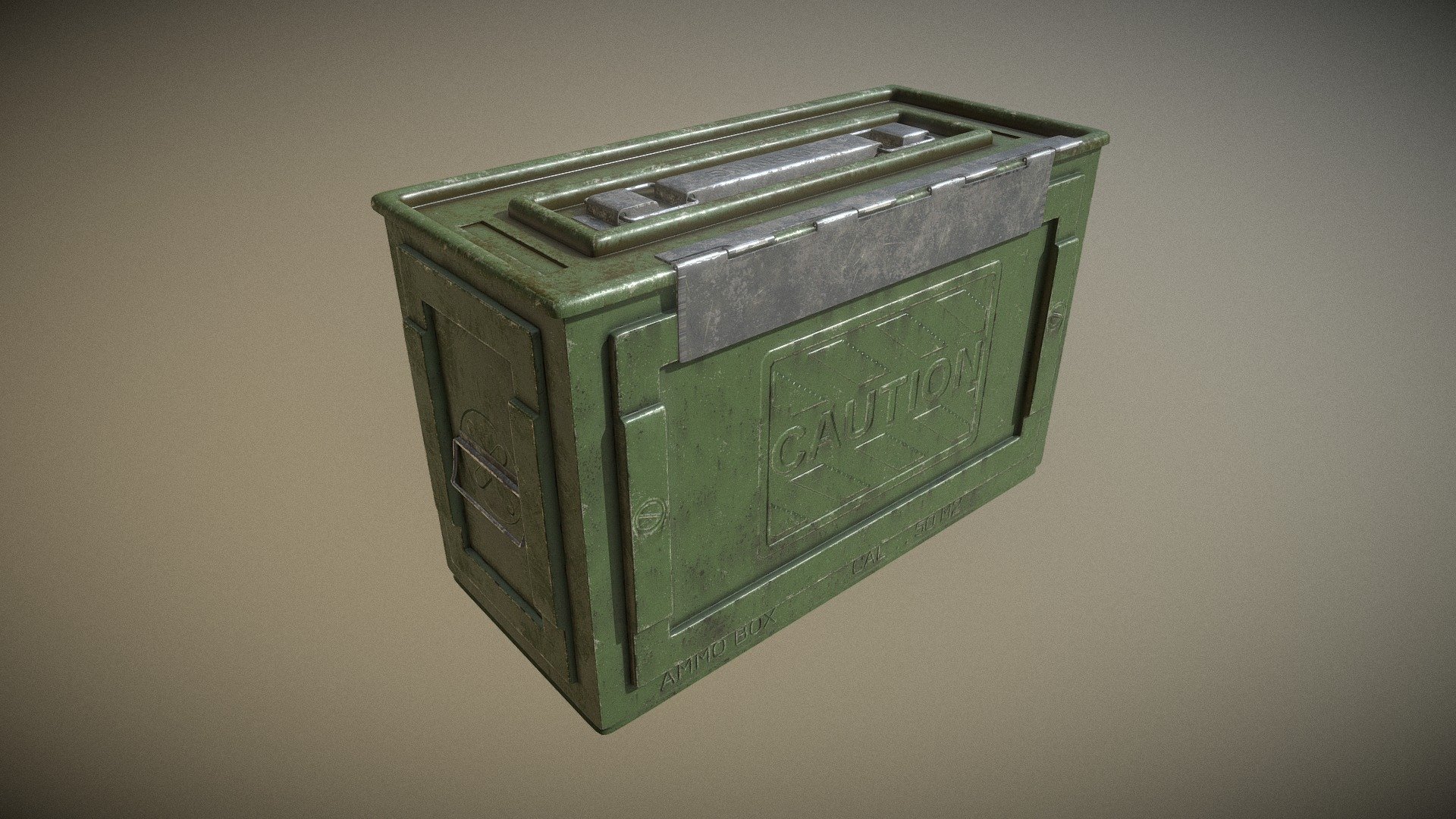
Before committing to a full case, verify the headstamp and lot number consistency across all boxes, as a single case should share one lot for identical performance. Inspect the headstamp on every tenth box to confirm the same manufacturer, caliber, and load data; mismatched stamps indicate mixed inventory. The lot number, often printed on the case flap or box end, guarantees uniform powder charges, bullet seating depth, and case dimensions. Shooting 500 or 1,000 rounds from one lot ensures your zero and velocity remain stable, avoiding point-of-impact shifts mid-order. Request a single lot from your dealer, and reject any case where lot numbers vary, as mixed-lot ammo can produce erratic accuracy and pressure signs across the batch.
Matching Bullet Weight and Grain to Your Firearm’s Twist Rate
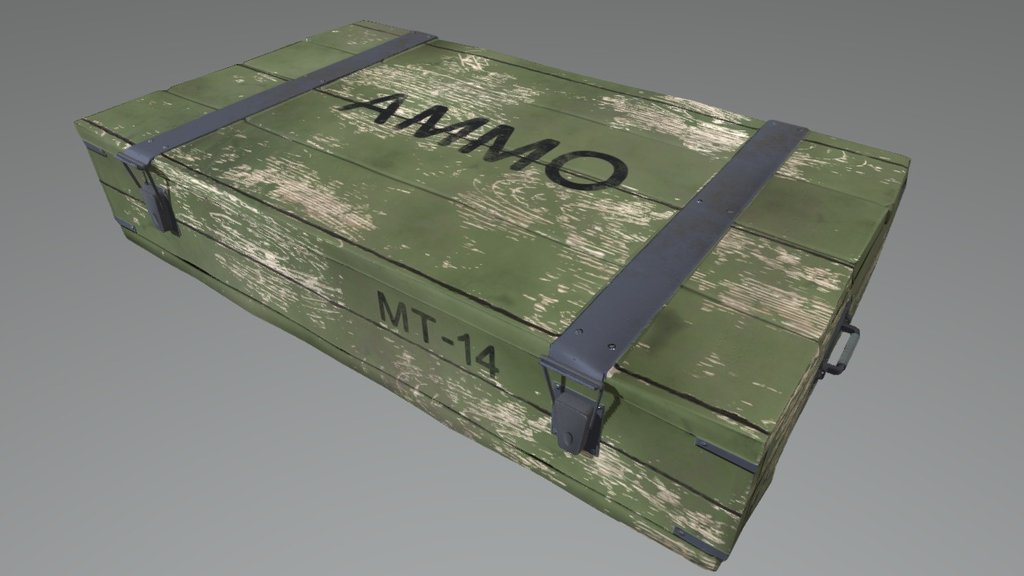
Before committing to a full case order, verify that your barrel’s twist rate matches the bullet grain you intend to stockpile. A slower twist, such as 1:12, stabilizes lighter projectiles, while a faster twist like 1:7 is engineered for heavier grains. Mismatched combinations produce keyholing or poor accuracy, wasting an entire case’s investment. Check your firearm’s specification and calculate the optimal weight range; for example, 55-grain loads suit 1:9 twists, whereas 77-grain rounds demand 1:7. Confirming the twist-compatible grain ensures your bulk purchase performs reliably. Also, test a small sample box first to validate cycling and precision—this pre-purchase validation prevents locked-in regret. Only then commit to the case quantity.
How to Store a Large Quantity of Rounds Without Ruining Them
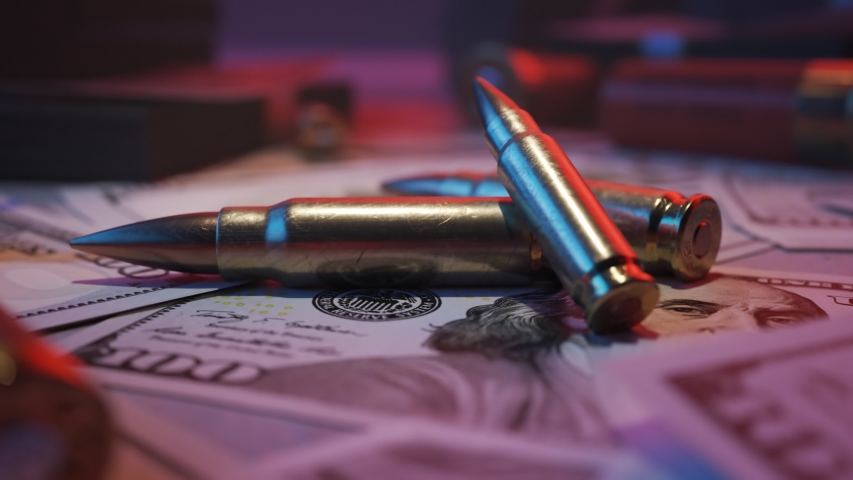
When you buy ammunition by the case, your primary enemy is moisture, not time. Seal the original factory case inside a heavy-duty, 55-gallon drum liner, then add desiccant packs before squeezing out all air. Store the sealed case off a concrete floor on a wooden pallet or shelving, because concrete wicks humidity. Keep the case in a climate-controlled area or an insulated garage, avoiding extreme temperature swings that cause condensation inside the packaging. Rotate your stock by writing the purchase date on the case and pulling from the oldest first; this prevents corrosion on primers from long-term static storage. Check every six months by opening one box and inspecting for green verdigris on the brass—if present, your desiccant failed.
A case that remains dry, cool, and untouched will outlast a decade of barrel wear.
Finally, never store ammo in a basement prone to flooding or near a dryer vent, as heat accelerates powder breakdown.
Moisture Control and Temperature Range for Long-Term Case Storage
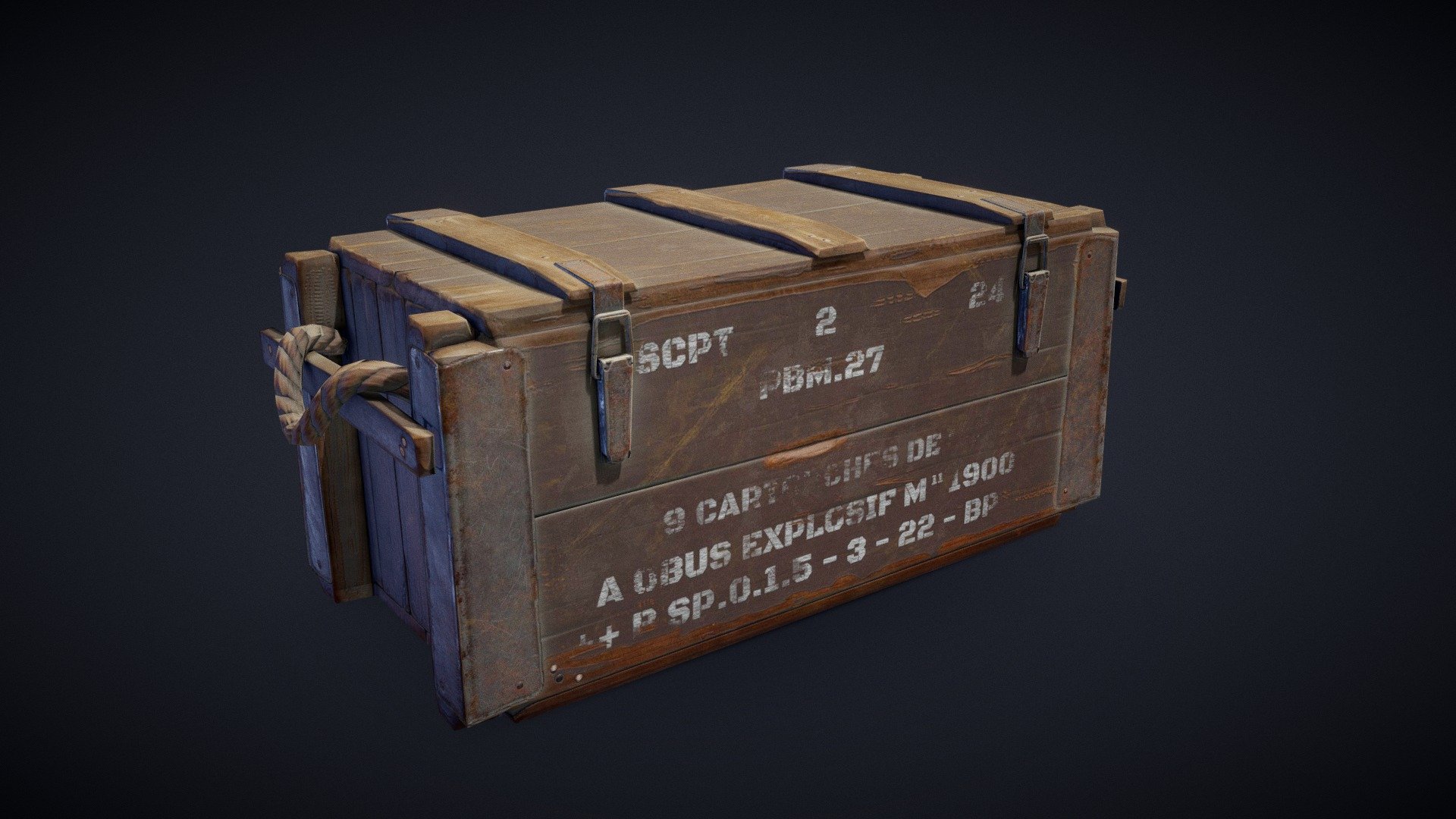
For ammo by the case, moisture control and temperature range for long-term case storage dictates whether your primers survive a decade or decay in three years. Seal every case in a heavy-duty mylar bag with desiccant packs—silica gel works—then purge the air before heat-sealing. Never rely on the factory cardboard; it wicks humidity. Keep the sealed cases in a location where the temperature stays between 50°F and 70°F, and avoid any swing greater than 15°F per day. Thermal cycling forces humid air to condense inside the case, even with desiccants. A cool, dry basement or climate-controlled closet beats a garage. If you must use a shed, add a dehumidifier rod inside the storage container. Q: What is the worst temperature mistake for long-term case storage? A: Letting cases freeze, then thaw rapidly—condensation forms on cold brass, rusting it from the inside out.
Stackable Ammo Cans vs. Keeping Rounds in Original Factory Packaging
For case-level purchases, stackable ammo cans are the decisive upgrade over original factory packaging. Cardboard boxes crush under the weight of stacked cases, allowing moisture to wick into primers and causing bullet setback from vibration. Transferring rounds into sealed cans eliminates this risk while creating a stable, load-bearing tower. The factory box’s only advantage is label clarity, which you can replicate with a grease pen on the can lid. For long-term security, sort each case’s rounds by headstamp and lot before decanting. Then:

- Line each can with a desiccant 7.62×51 Ammo for Sale pack before adding rounds.
- Seal the rubber gasket and latch completely.
- Stack no more than three cans high on a dry shelf.
You gain permanent ballistic protection .17 WSM Ammo for Sale and instant access, whereas factory boxes guarantee eventual damage.
The Smartest Way to Split a Bulk Order with Shooting Partners
When splitting a bulk order of ammo by the case, the smartest method is to divide by lot number before splitting by round count. First, have each shooter pay their share upfront based on the case’s per-round cost, including shipping, to avoid awkward collections later. Then, physically separate the boxes into equal stacks, but rotate the remaining partial box among shooters on a rotating schedule to keep accuracy consistent. Always label each shooter’s stack with their name and the matching lot number on the case’s original carton. For uneven quantities, the shooter taking the extra box should compensate the others at the per-round rate, not the retail rate. Finally, open the case in a dry, stable area and distribute the ammo immediately, checking that all seals are intact before anyone leaves.
How to Divide a Case by Box Count and Share the Savings Fairly
When splitting a 500-round case with shooting partners, first confirm the exact box count—typically ten 50-round boxes or five 100-round boxes—and assign each person a fixed number of full boxes before breaking any seals. To share savings fairly, calculate the per-box price by dividing the total case cost by the box count, then have each partner pay that precise figure; this prevents resentment over uneven ammo weights or caliber preferences. If someone wants fewer boxes, they compensate the group by covering the difference at the per-box rate, not a discounted bulk rate. Divide by 5.56 Ammo for Sale box count before opening anything to keep the math transparent and the savings equitable across all participants.
Q: How do you handle a case where boxes aren’t equal, like a 200-round case with four 50-round boxes?
A: Divide the case price by Ammo Cans & Storage for Sale the number of boxes, not rounds, so each partner pays the same per-box amount regardless of round count—then swap full boxes among yourselves only.
Labeling and Tracking Your Share for Range Day and Inventory
When you split a case, your ammo instantly blends with your partner’s unless you claim it. Write your initials or a distinct color code on each box flap before it hits the range bag—this prevents “whose 9mm is this?” mid-session confusion. For inventory, log your exact round count per caliber into a simple notes app or spreadsheet the moment you divide the case; a photo of the split lot number also helps you track age and lot consistency. Tracking your share by lot number ensures your zero stays true when you reorder, since identical headstamps behave identically downrange. Use a permanent marker or adhesive labels that survive sweaty hands and ammo can friction.
- Mark each box with initials plus date purchased for quick age checks.
- Count and record rounds fired per range day against your split total.
- Keep a digital list of lot numbers tied to each partner’s share.
- Color-code by specialty sports & supply owner using tape on the case’s outer sleeve.
How to Rotate Your Stockpile So You Never Shoot Expired or Corroded Rounds
When you buy ammo by the case, the sealed cardboard and plastic trays create a false sense of permanence—but time and humidity still degrade primers and powder. Build a strict first-in, first-out system by writing the purchase month and year on each case lid with a grease pen before stacking. Store cases so the oldest sits on top or at the front of your rack, and physically move new deliveries to the bottom or rear. When you hit the range, pull from the marked oldest case exclusively until it’s empty, then rotate the next one forward. Every quarter, crack open a case to spot-check for green corrosion on brass or dark spots on primers. If you find sweat or moisture, break that case down into smaller cans immediately and use it first. Never let a case sit untouched for over 12 months—shoot it, replace it, and repeat. That habit keeps your rotating stockpile fresh, so you never chamber a dud or a corroded round.
First-In, First-Out (FIFO) Method for Ammunition You Actually Use
The First-In, First-Out (FIFO) method for ammunition you actually use requires physically segregating new case purchases behind older stock, then drawing exclusively from the front of that line. When you break open a fresh case, immediately place it at the rear of your storage shelf, pushing forward any partially depleted boxes. For range ammo, label each case with its purchase date using a permanent marker, and after each session, return unconsumed rounds to the front of the same batch, never mixing them with newer lots. This discipline matters more than any storage container because even sealed primers degrade from thermal cycling over 5.7x28mm Ammo for Sale years. By consistently pulling from the oldest exposed stock first, you guarantee that propellant stabilizers, sealants, and case lubricants remain within their functional lifespan. Rotate pistol and rifle ammo you shoot weekly into a dedicated “active” tote, replenishing it only from the older side of your inventory.
FIFO for your shooting ammo means: new cases go to the back, and you always load from the front, ensuring every round you fire is the oldest available lot.
Setting a Monthly Range Schedule to Cycle Through Older Lots
When you buy ammo by the case, older lots sit at the back of your closet, silently degrading. **Setting a monthly range schedule to cycle through older lots** forces those aged boxes into rotation before fresher cases. Pick one Saturday per month, label it “Vintage Day,” and grab only the oldest opened case. Shoot that lot until it’s empty; don’t sprinkle in new rounds. This habit creates a first-in, first-out rhythm—your 9mm from two years ago gets burned before the case you just bought. Track lot numbers on a simple notepad so you know which case is next up, preventing corrosion from taking root in ignored primers. One range trip per month is enough to keep every lot moving without exhausting your reserve.
What to Do When Your Bulk Rounds Arrive Damaged or Misfire
When your ammo by the case arrives with crushed boxes, split casings, or corroded primers, do not open every box—inspect the outer carton first and photograph the damage before signing for delivery. For a misfire, keep the round pointed downrange for 30 seconds, then eject it and set it aside in a dedicated “dud” container, never mixing it back into your bulk stock. Contact the seller immediately with your lot number and photos; most reputable dealers will replace damaged rounds or offer credit for the entire case if the outer packaging was compromised—but only if you report within 48 hours. Avoid firing suspicious rounds to “test” them; a squib load can ruin your firearm. Instead, segregate all damaged brass and report exact counts per box for a fair partial refund.
How to Spot Dimpled Casings or Loose Primers Before You Load a Magazine
Before seating rounds into a magazine, inspect each cartridge under direct light, tilting it to catch reflections off the case shoulder and body. A dimpled casing often appears as a small, circular indentation near the neck or shoulder, caused by handling impacts—run your thumb along the surface to feel for depressions that catch the skin. For loose primers, place the cartridge base on a flat, hard surface and press down firmly; a primer that shifts, clicks, or sinks slightly indicates poor seating and risks gas blowback. Rotate the round and check the primer pocket rim for bright, rubbed marks, which signal movement during transit. Reject any round where the primer sits proud (above the case head) or where the casing wall shows a pinch-like crease, as these defects .17 HMR Ammo for Sale compromise chamber pressure and feed reliability.
- Hold the case sideways and roll it between fingers—irregular dimples cause a subtle wobble.
- Tap the primer with a wooden dowel; a solid, flush primer yields a dull thud, while a loose one rattles.
- Compare suspicious rounds against a known-good sample to confirm depth and contour differences.
Step-by-Step for Contacting the Seller with Lot Numbers and Photos for a Refund
When your case of ammo arrives with damaged boxes or rounds that misfire, begin by locating the lot number printed on the case flap and each individual box—this code is your refund key. Photograph the lot number up close, the damaged packaging, and any misfired rounds with their primers struck, ensuring the images are well-lit and show the batch identifier clearly. Email the seller’s customer service department, not a general contact form, and include your order number, the lot number, and all photos in the first message. Do not discard the original case or ammo until the seller confirms resolution, as they may request return of the entire lot. Always send one consolidated email rather than multiple follow-ups, since sellers prioritize complete evidence threads. After sending, wait 48 hours before checking in, and reference your case number in every subsequent reply.
- Photograph the lot number on both the outer case and inner box labels.
- Capture misfires against a neutral background with the primer side visible.
- Keep the original shipping box and all unused ammo untouched until refund approval.
- Request a written confirmation of the refund amount before accepting store credit.